
Introduction
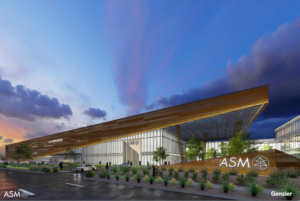
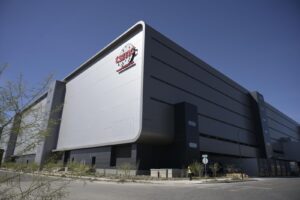
Arizona has emerged as one of the most important semiconductor hubs in the United States, attracting major investments from chip manufacturers, suppliers, and technology companies. As part of this growth, ASM International announced the development of its new Scottsdale Technology and Innovation Center, a facility that will serve as the company’s North American headquarters while supporting research and development, pilot manufacturing, engineering, training, and corporate functions. The approximately 250,000-square-foot campus represents a significant investment in semiconductor innovation and reinforces Arizona’s position within the global semiconductor supply chain.
Projects within the semiconductor sector present a unique set of challenges for design and construction teams. Unlike conventional office buildings or commercial developments, these facilities must accommodate advanced technologies, highly specialized equipment, strict operational requirements, and evolving manufacturing processes. As a result, structural engineers are frequently called upon to address considerations that extend beyond traditional strength and stability requirements.
This article explores several structural engineering considerations associated with modern semiconductor facilities through the lens of ASM’s Scottsdale project. Particular attention is given to building envelope design and facade engineering, areas that require close coordination between architects, structural engineers, and specialty contractors. The discussion also highlights Aquinas Engineering’s contribution to the project and examines lessons that may benefit professionals working within the engineering and construction industries.
Aquinas Engineering’s Contribution
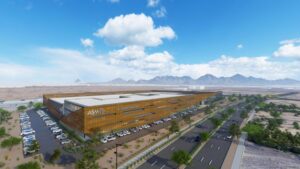
Aquinas Engineering was proud to contribute to the ASM Scottsdale Technology and Innovation Center in partnership with Kovach Enclosure Systems, and in collaboration with Gensler and PK Associates. Our scope included providing the structural engineering calculations for the aluminum perforated panel system as well as the exterior aluminum and aluminum composite material (ACM) panel systems. The work involved evaluating panel support framing, attachment systems, and load paths to verify compliance with project-specific performance criteria and applicable design loads. As is often the case with advanced technology facilities, successful enclosure design required close coordination between architectural and structural disciplines to help ensure the building envelope fulfilled both the design intent and the long-term performance requirements of a state-of-the-art semiconductor campus.
The building envelope serves a critical role in the overall performance of modern technology facilities. Beyond providing weather protection, facade systems contribute to energy efficiency, occupant comfort, durability, maintenance performance, and architectural expression. For companies operating at the forefront of innovation, the building exterior often becomes a reflection of the technologies developed within the facility itself.
As semiconductor campuses increasingly function as both operational facilities and corporate showcases, the performance expectations placed on envelope systems continue to grow. This makes structural coordination essential throughout the design and construction process.
The engineering of metal panel systems requires careful consideration of both strength and serviceability requirements. Wind pressures and suction forces must be evaluated to ensure adequate load resistance, while support framing and anchorage systems must be designed to safely transfer loads back to the primary structure. Equally important is the ability of the system to accommodate thermal expansion, building movements, and construction tolerances without negatively affecting performance or appearance.
Because modern enclosure systems often consist of multiple materials and assemblies working together, successful implementation depends heavily on coordination between structural, architectural, and specialty facade disciplines. Although metal panels may appear straightforward from an architectural perspective, their successful integration frequently involves a substantial amount of engineering analysis and detailing.
One of the most important lessons from projects such as ASM Scottsdale is that building envelope systems should never be viewed as purely architectural elements. They are engineered assemblies that must satisfy structural, environmental, and aesthetic objectives simultaneously while supporting the long-term performance of the facility.
The ASM Scottsdale Facility at a Glance
The ASM Scottsdale Technology and Innovation Center was conceived as a major expansion of the company’s presence in Arizona. The facility will serve as ASM’s North American headquarters while bringing together research and development laboratories, pilot manufacturing capabilities, manufacturing engineering operations, training functions, and corporate support services within a single campus. The project reflects ASM’s continued investment in semiconductor innovation and supports the company’s efforts to advance next-generation manufacturing technologies.
ASM is recognized as a global leader in Atomic Layer Deposition (ALD) and Epitaxy (Epi) technologies, both of which play a critical role in advanced semiconductor manufacturing. The new Scottsdale facility expands the company’s ability to develop, test, and support these technologies while contributing to the growing semiconductor ecosystem in Arizona. Its presence further strengthens the region’s reputation as a center for semiconductor research, manufacturing, and engineering expertise.
Why Semiconductor Facilities Present Unique Structural Challenges
Semiconductor facilities differ significantly from traditional commercial structures because they combine research, engineering, manufacturing, and support functions within a highly controlled environment. The value of the equipment housed within these facilities frequently exceeds the value of the building itself, creating performance requirements that go beyond those typically encountered in conventional construction.
Structural systems must support sophisticated process equipment, provide flexibility for future modifications, and maintain operational performance throughout the facility’s service life. In many cases, the engineering focus shifts from purely structural strength to a broader consideration of serviceability, vibration control, movement limitations, and interdisciplinary coordination.
For structural engineers, semiconductor facilities serve as a reminder that successful building design extends beyond code compliance. The structure must support the operational objectives of the facility while accommodating future technological developments and evolving manufacturing requirements.
Structural Design Driver #1: Vibration Performance
Semiconductor research and manufacturing processes often involve equipment that operates at extremely precise tolerances. Even relatively small vibrations can negatively impact testing procedures, manufacturing accuracy, or equipment calibration. As a result, vibration performance frequently becomes one of the most important structural design considerations.
Structural engineers may be required to analyze floor systems for dynamic performance, evaluate vibration-sensitive areas, and coordinate closely with equipment manufacturers to understand operational requirements. In some situations, traditional strength-based design approaches are supplemented with serviceability criteria that govern the final structural solution.
To reduce vibration levels, designers often employ stiff framing systems, reinforced concrete floor structures, isolated equipment pads, and carefully considered foundation strategies. The selection of these systems depends on the operational requirements of the facility and the sensitivity of the equipment being supported.
Projects such as ASM Scottsdale illustrate the importance of understanding how occupants and equipment interact with the structure. In highly technical environments, operational performance can become a primary design driver and may influence structural decisions throughout the project lifecycle.
Structural Design Driver #2: Equipment and Infrastructure Loading
Semiconductor facilities contain extensive mechanical, electrical, process, and utility infrastructure. Structural systems must support equipment ranging from process tools and air handling units to utility distribution systems and specialized laboratory installations. These loads are often concentrated and can vary significantly throughout the facility.
Because technology evolves rapidly, engineers must also consider future modifications and equipment replacements when developing structural solutions. Designing solely for current conditions may limit a facility’s long-term adaptability.
The design process often involves evaluating concentrated loads, developing equipment support strategies, coordinating utility infrastructure, and identifying areas where future strengthening may be required. Flexibility and adaptability become critical components of the structural design philosophy.
Modern semiconductor facilities increasingly prioritize adaptability. Owners seek buildings capable of accommodating future technologies and operational changes without requiring significant structural modifications, making flexibility an important consideration from the earliest design stages.
Building Envelope Integration in High-Tech Facilities
In contemporary technology campuses, the building envelope serves both functional and symbolic purposes. High-performance facades contribute to energy efficiency, occupant comfort, sustainability objectives, and long-term durability while helping establish a visual identity that reflects innovation and technological leadership.
As performance expectations continue to increase, the facade must be viewed as an integrated system rather than a collection of separate components.
Structural engineers play a critical role in ensuring that facade systems safely transfer loads to the primary structure. This responsibility includes evaluating attachment systems, accommodating differential movements, reviewing load paths, and coordinating with other disciplines to ensure compatibility between structural and architectural requirements.
Successful projects require early and ongoing collaboration among architects, structural engineers, enclosure consultants, specialty contractors, and manufacturers. Coordination during the design phase helps identify potential conflicts, improve constructability, and support long-term building performance.
Metal Panel Systems in Advanced Technology Facilities
Metal panel systems have become a common feature of technology and advanced manufacturing facilities due to their durability, design flexibility, low maintenance requirements, and contemporary appearance. These characteristics allow designers to create visually distinctive buildings while maintaining the performance standards expected of modern building envelopes.
Perforated aluminum panels provide opportunities to introduce visual depth, texture, and architectural character while also supporting shading strategies and facade articulation. Depending on their application, these systems may contribute to both building performance and occupant comfort.
Aluminum and ACM panel systems offer lightweight construction, fabrication versatility, and compatibility with a wide range of architectural expressions. Their adaptability makes them well-suited for large technology campuses that seek to balance performance with aesthetics.
The design of these systems requires careful evaluation of wind loading, support framing, anchorage, serviceability limitations, thermal movements, and interfaces with adjacent facade components. Structural engineers must ensure that each system performs reliably under expected environmental conditions while maintaining the architectural intent of the project.
Sustainability and Structural Engineering
ASM has indicated that the Scottsdale campus will incorporate sustainability-focused features, including renewable energy elements and advanced water conservation strategies. These initiatives reflect broader industry efforts to improve energy efficiency, resource management, and long-term environmental performance.
Structural engineers play an important role in supporting sustainability goals. Rooftop solar installations, mechanical equipment, water recycling infrastructure, and future building upgrades all rely on structural systems capable of supporting additional loads while maintaining long-term performance. As sustainability objectives continue to evolve, structural adaptability becomes increasingly important.
Key Lessons for Structural Engineers
The ASM Scottsdale project highlights several themes that are becoming increasingly relevant across the engineering profession. First, serviceability requirements such as vibration control, movement limitations, and operational performance can be just as important as traditional strength-based design criteria. Second, building envelope systems benefit greatly from early structural coordination and interdisciplinary collaboration.
The project also demonstrates the value of viewing facade systems as critical engineering components rather than architectural finishes. Finally, it reinforces the importance of flexibility and adaptability in facilities that support rapidly evolving technologies. These lessons extend beyond semiconductor projects and can be applied to many types of high-performance buildings.
Conclusion
The continued growth of the semiconductor industry is creating new opportunities and challenges for design and construction professionals. Projects such as ASM Scottsdale demonstrate how advanced facilities increasingly depend upon the successful integration of structural engineering, architecture, building envelope design, and specialized technical disciplines.
For structural engineers, these projects provide valuable examples of how evolving technologies influence the built environment. Whether supporting vibration-sensitive equipment, designing adaptable structures, or engineering high-performance facade systems, the profession continues to play a critical role in enabling innovation. The ASM Scottsdale Technology and Innovation Center serves as a compelling example of how thoughtful engineering and multidisciplinary collaboration can help bring the next generation of semiconductor infrastructure to life.
Let’s build something extraordinary together.
📞 Contact us today: 210.237.7854
👉 Visit our website: https://aquinasengr.com/
📧 Email us at info@aquinasengineering.com
Sources Used:
- https://www.asm.com/our-company/asm-in-arizona
- https://www.asm.com/press-releases/asm-announces-300m-expansion-of-us-operations-in-scottsdale-arizona-2791329
- https://www.azcommerce.com/news-events/news/2023/12/asm-announces-300-million-expansion-of-us-operations-in-scottsdale/
- https://azbigmedia.com/real-estate/asm-deal-increases-arizona-footprint-twofold-with-new-hq/


Let us build a professional relationship. Tell us about your project today.
I really appreciated how quick and efficient the service was. It made our entire process much smoother. I’d just suggest continuing to maintain the quick turnaround, like getting the stamps within a day. It really helps us when we need them urgently, especially in situations where we might have missed the ball with our customers
Working with Aquinas has been nothing short of a pleasure. Not only are the response times great and consistent, Aquinas also provides strong and validating support above and beyond normal measures. I have zero criticisms. Aquinas Engineering has been an excellent asset to my team’s operation.
Quick fast service, great follow up. Aquinas approaches every project small and large with a high level of professionalism.